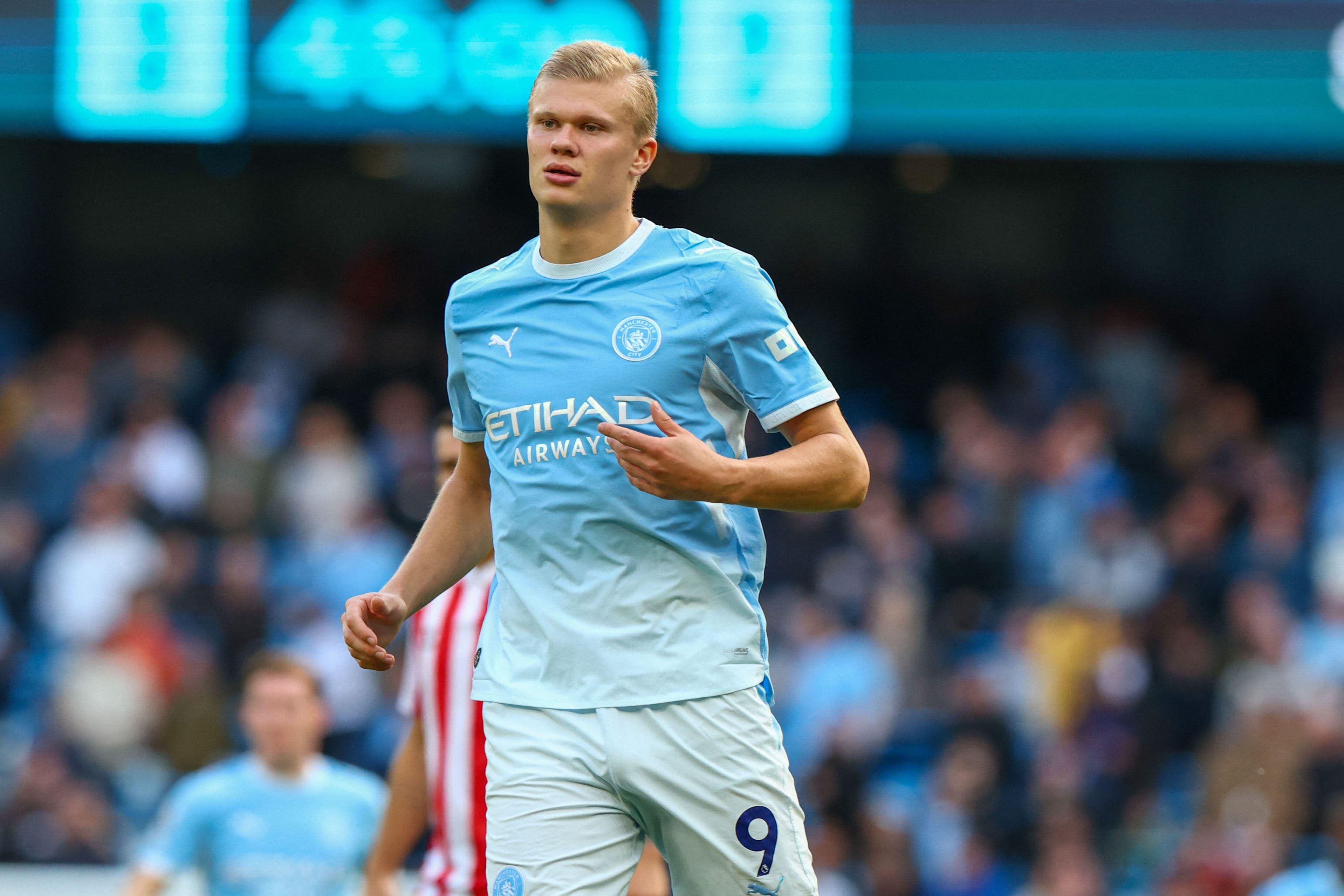
Manchester City have been found guilty of 114 of the 115 charges brought against the club by the Premier League, marking a landmark moment in one of the biggest financial investigations in English football history.
An independent commission concluded that City artificially inflated revenues and reduced reported costs by more than £900 million between the 2009/10 and 2017/18 seasons. The investigated period coincided with the transformation of Manchester City into one of world football's dominant clubs and included three Premier League titles.
Manchester City strongly reject the findings and have confirmed their intention to appeal. Meanwhile, a separate commission is expected to determine the punishment, leaving considerable uncertainty around the sporting, commercial and financial future of the club.
More Than £900 Million in Alleged Financial Manipulation
At the heart of the case is the Premier League's conclusion that Manchester City misrepresented the true source and value of significant parts of its revenue.
The commission found that the club used what were described as "sham" contracts to present direct investment connected to owner Abu Dhabi United Group as sponsorship income. City were also found to have used mechanisms involving player image rights and payments to players and staff that reduced the salary costs appearing in the club's accounts.
The scale of the commercial findings is particularly significant.
According to the commission, only £119.25 million of the £830.69 million in commercial revenue reported during the investigated period actually came from official partners, with the remainder injected by the ownership.
That raises questions extending beyond Manchester City's compliance with spending regulations. Sponsorship valuations influence how clubs, brands and the wider industry determine the market value of major football partnerships.
If artificially inflated commercial agreements helped establish market benchmarks, rival clubs and sponsors could argue that the effects extended across the broader sponsorship market.
Manchester City Prepare to Appeal
Despite the severity of the findings, the case is far from over.
Manchester City have described the ruling as the "opinion of the Premier League Commission" and stated that they will appeal on the basis that the decision contains material errors of law, principle and fact.
The club continues to maintain its innocence and has repeatedly referred to evidence it believes disproves the allegations.
City have successfully challenged major financial sanctions before. In 2020, the club overturned a two-year ban from UEFA competition at the Court of Arbitration for Sport, partly because evidence used against it was considered time-barred.
The current process is different, however. Premier League clubs have agreed that domestic cases cannot be taken to CAS, while the appeals process does not amount to a complete retrial of the original case.
Unprecedented Sanctions Are Now Possible
A separate independent commission will determine what punishment Manchester City should receive if the verdict stands.
The range of potential sanctions is extensive.
A record financial penalty is considered highly likely, with no formal ceiling on the fine that could be imposed. A substantial points deduction is another possibility, while expulsion from the Premier League could theoretically be considered but would require wider cooperation.
One scenario reportedly discussed within English football would involve a deduction of 60 points or more, effectively making relegation extremely difficult to avoid.
Another possibility would involve repeated annual deductions of around 25 points, potentially preventing Manchester City from qualifying for European competition for several seasons. A long-term transfer ban could further restrict the club's ability to maintain its current sporting position.
Stripping City of previous titles has also been publicly discussed, although there is reportedly limited appetite within the Premier League for retrospective changes of that scale.
Rival Clubs Could Pursue Compensation
The consequences could extend well beyond Premier League sanctions.
Arsenal, Liverpool, Manchester United and Tottenham Hotspur have reportedly reserved the right to pursue independent legal action over revenues they believe were lost because of Manchester City's financial breaches.
Potential claims could involve Premier League prize money, Champions League qualification and the wider commercial benefits associated with sporting success.
There is already precedent for compensation between English clubs following financial rule breaches.
Burnley were recently awarded £35 million after successfully arguing that Everton's breach of spending limits contributed to their relegation during the 2021/22 season.
Manchester City could therefore face substantial financial consequences even beyond whatever punishment is ultimately imposed by the Premier League.
Sponsorship Market Faces Difficult Questions
The commercial consequences are particularly significant for the sports business industry.
Manchester City have built one of football's largest sponsorship portfolios, with commercial revenues playing an important role in financing the club's rise.
The commission's findings now raise questions around the true market value of some of those agreements and whether inflated sponsorship figures distorted perceptions of fair value across European football.
City's main partner Etihad Airways has reportedly threatened legal action against the Premier League over the ruling, further demonstrating how the dispute could extend beyond the club itself.
Other commercial partners will also be watching the appeal closely. If major sporting sanctions are ultimately imposed, sponsors could be forced to reassess the value and reputational implications of their relationships with the club.
The Case Could Develop a Political Dimension
Manchester City's ownership structure adds another layer of complexity.
The club is owned by Abu Dhabi United Group, and the wider economic relationship between the United Kingdom and the United Arab Emirates is substantial. The UAE is the UK's largest Gulf trading partner, with the relationship reportedly worth around £30 billion.
Investment linked to Abu Dhabi has also played an important role in Manchester itself, including development surrounding City's Etihad Campus.
That economic relationship means a sporting disciplinary process has the potential to create consequences extending beyond football.
The UK government has nevertheless stressed that the verdict is serious and that nobody should be considered above the rules.
A Defining Moment for the Premier League
The Manchester City case is ultimately about more than one club.
Financial regulations exist partly to ensure clubs compete within a framework that protects both financial sustainability and competitive integrity. If one of the Premier League's most successful clubs is ultimately found to have systematically circumvented those rules, the credibility of the regulatory system will depend heavily on how the league responds.
The consequences could reshape Manchester City's sporting ambitions, commercial partnerships and squad while triggering compensation claims from rivals and renewed debate around ownership structures in European football.
It could also influence how sponsorship agreements are valued and scrutinised across the industry.
Manchester City's appeal means the final outcome remains uncertain. But regardless of what happens next, a case involving 114 guilty findings, more than £900 million in alleged financial manipulation and the Premier League's dominant club of the past decade has already become one of the most consequential financial disputes in modern football.
Source: SportsPro