Formula 1 is preparing contingency plans that could see the 2026 season conclude in Europe instead of the Middle East, as ongoing geopolitical tensions continue to cast doubt over the Qatar and Abu Dhabi Grands Prix.
F1 President and CEO Stefano Domenicali confirmed that the sport will wait until mid-September before making a final decision on the final two races of the calendar. While both events remain scheduled and have already sold out, Formula 1 is keeping alternative venues on standby should the security situation fail to improve.
Europe Emerges as the Preferred Backup
If the races in Qatar and Abu Dhabi cannot go ahead, Formula 1 intends to finish the season in Europe.
Imola has emerged as the leading replacement candidate, although other circuits, including Portugal and Turkey, are also being considered. According to Domenicali, a European finale would offer the most practical solution from both a logistical and operational perspective, allowing teams to conclude the season with minimal disruption.
The approach mirrors Formula 1's flexible scheduling strategy during the COVID-19 pandemic, when the championship successfully adapted its calendar in response to changing circumstances.
Middle East Conflict Continues to Impact the Calendar
The uncertainty follows earlier disruptions to the 2026 season.
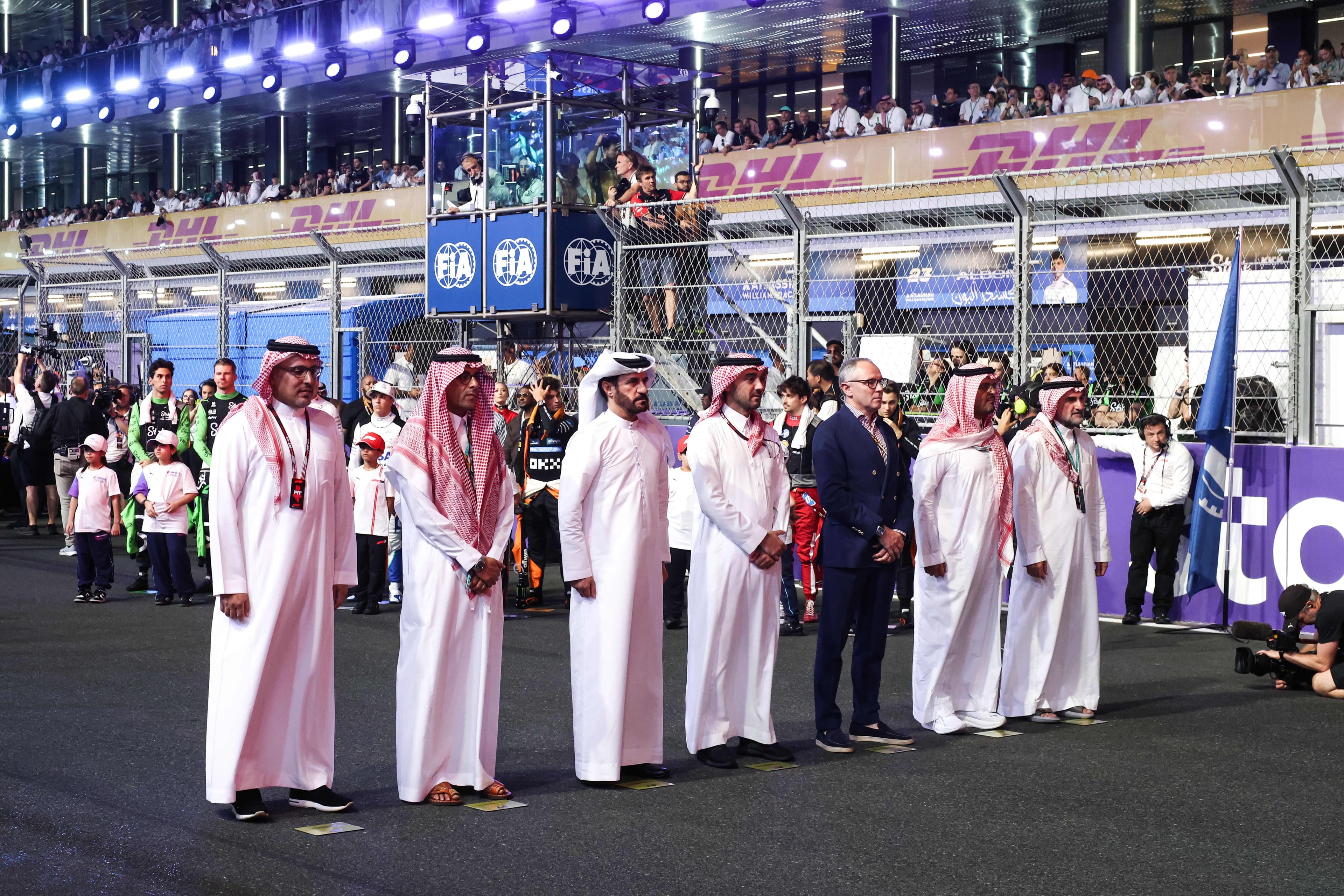
The Bahrain and Saudi Arabian Grands Prix were originally cancelled due to the conflict in the Middle East, with Bahrain later being rescheduled at Malaysia's Sepang International Circuit. Those changes demonstrated Formula 1's willingness to adapt its calendar while maintaining a full championship schedule.
Domenicali stressed that safety remains the sport's highest priority, adding that Formula 1 will give organisers in Qatar and Abu Dhabi as much time as possible before reaching a final decision.
Balancing Safety and Commercial Commitments
The situation highlights the growing challenge of managing a global racing calendar in an increasingly unpredictable geopolitical environment.
The Middle East has become one of Formula 1's most important commercial regions, hosting multiple Grands Prix backed by long-term agreements and significant investment. At the same time, the championship must remain flexible enough to respond to external events without compromising the safety of teams, drivers and fans.
With a decision expected in September, Formula 1 continues to prepare for multiple scenarios as it looks to conclude the 2026 season while protecting both its sporting integrity and commercial commitments.
Source: Formula 1, SportsPro