FIFA has officially abandoned plans to sell a minority stake in the commercial rights of the FIFA World Cup and other major tournaments, following strong opposition from UEFA, several continental confederations and national football associations.
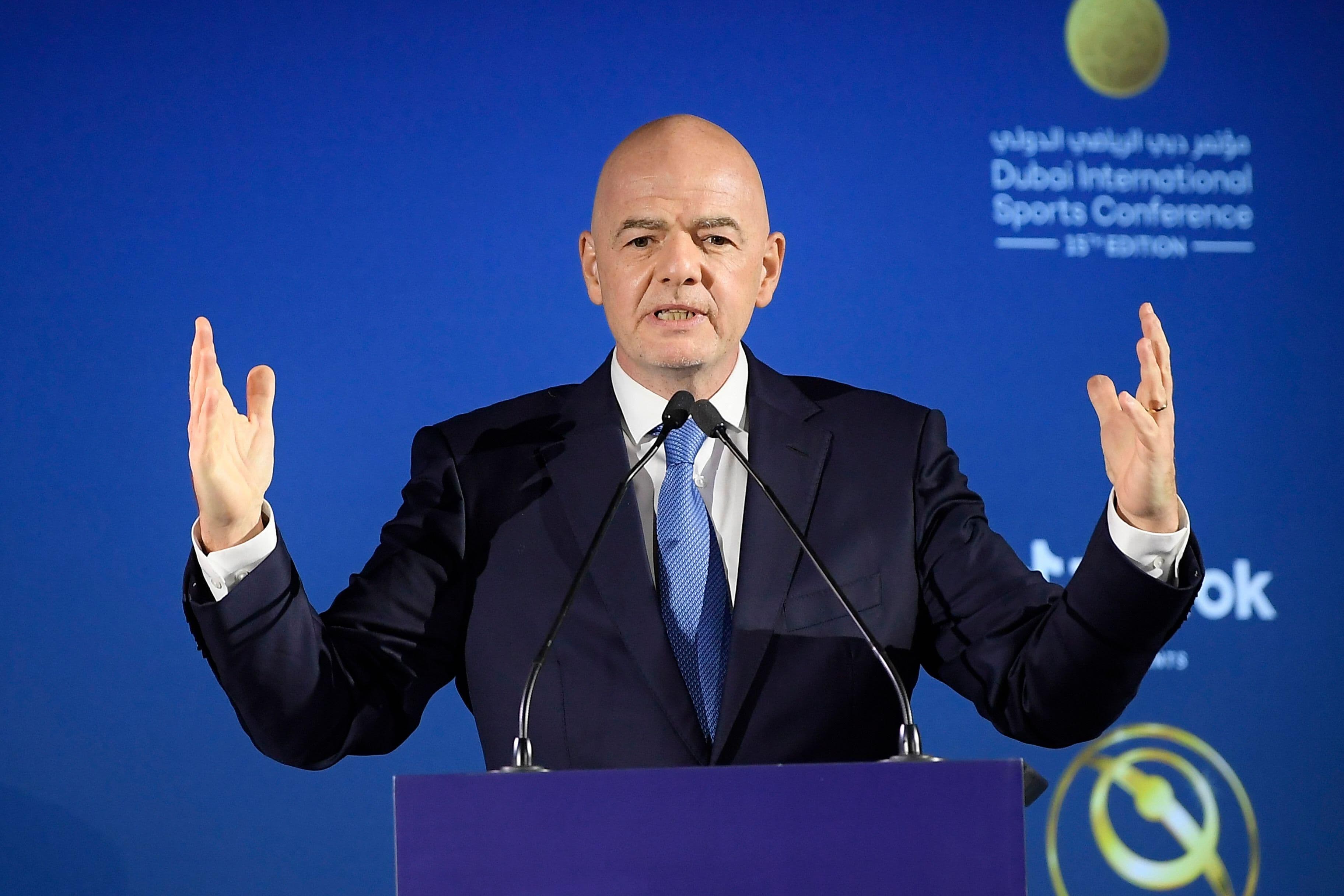
The proposal, introduced by FIFA President Gianni Infantino, involved creating a new commercial entity that would manage the commercial rights of FIFA's flagship competitions, including the men's and women's FIFA World Cup, the FIFA Club World Cup and other major commercial assets. FIFA intended to sell approximately 20% of that entity to private investors in a deal reportedly valued at around US$4.2 billion.
Although the World Cup itself would not have been sold, investors would have acquired a stake in the company responsible for generating and managing its commercial revenues. According to FIFA, the investment would provide additional capital to accelerate football development worldwide and strengthen the organisation's long-term commercial strategy.
UEFA Leads Opposition
The proposal quickly sparked widespread criticism, with UEFA emerging as its strongest opponent.
Backed unanimously by all 55 UEFA member associations, European football argued that the commercial rights of the World Cup should remain fully under the control of the sport rather than become an investment asset for private shareholders. UEFA also criticised the lack of consultation surrounding the proposal, warning that external investors could eventually influence the future commercial direction of football's most prestigious competition.
Concerns were not limited to Europe. Other football confederations also questioned the proposal, increasing the pressure on FIFA to reconsider its plans.
A Major Political Setback for Infantino
Facing growing resistance, FIFA ultimately withdrew the proposal before it could move forward.
However, the consequences now extend far beyond the investment plan itself. Several national football associations have started withdrawing their support for Gianni Infantino ahead of the 2027 FIFA presidential election. Wales became the first association to publicly revoke its backing, while reports suggest that England is close to follow and other European federations are considering similar action.
What initially appeared to be an ambitious commercial initiative has rapidly evolved into a broader governance debate. Critics argue that the proposal exposed concerns over transparency, consultation and decision-making within FIFA, placing renewed scrutiny on Infantino's leadership.
Looking Ahead
The collapse of the proposal highlights the growing tension between commercial innovation and the governance of global sport.
While private investment has become increasingly common across clubs, leagues and sports organisations, the reaction to FIFA's proposal demonstrates that many stakeholders believe competitions such as the World Cup should remain fully under the control of football itself.
With support for Infantino beginning to weaken ahead of the next FIFA presidential election, the debate surrounding the failed proposal is likely to have political consequences long after the investment plan itself has been abandoned.
Sources: Reuters, Associated Press (AP), UEFA statements, FIFA Official Communications