The Premier League is exploring a major revamp of its commercial strategy that could generate an additional £750 million per year by centralising pitchside advertising sales and expanding its top-tier sponsorship roster.
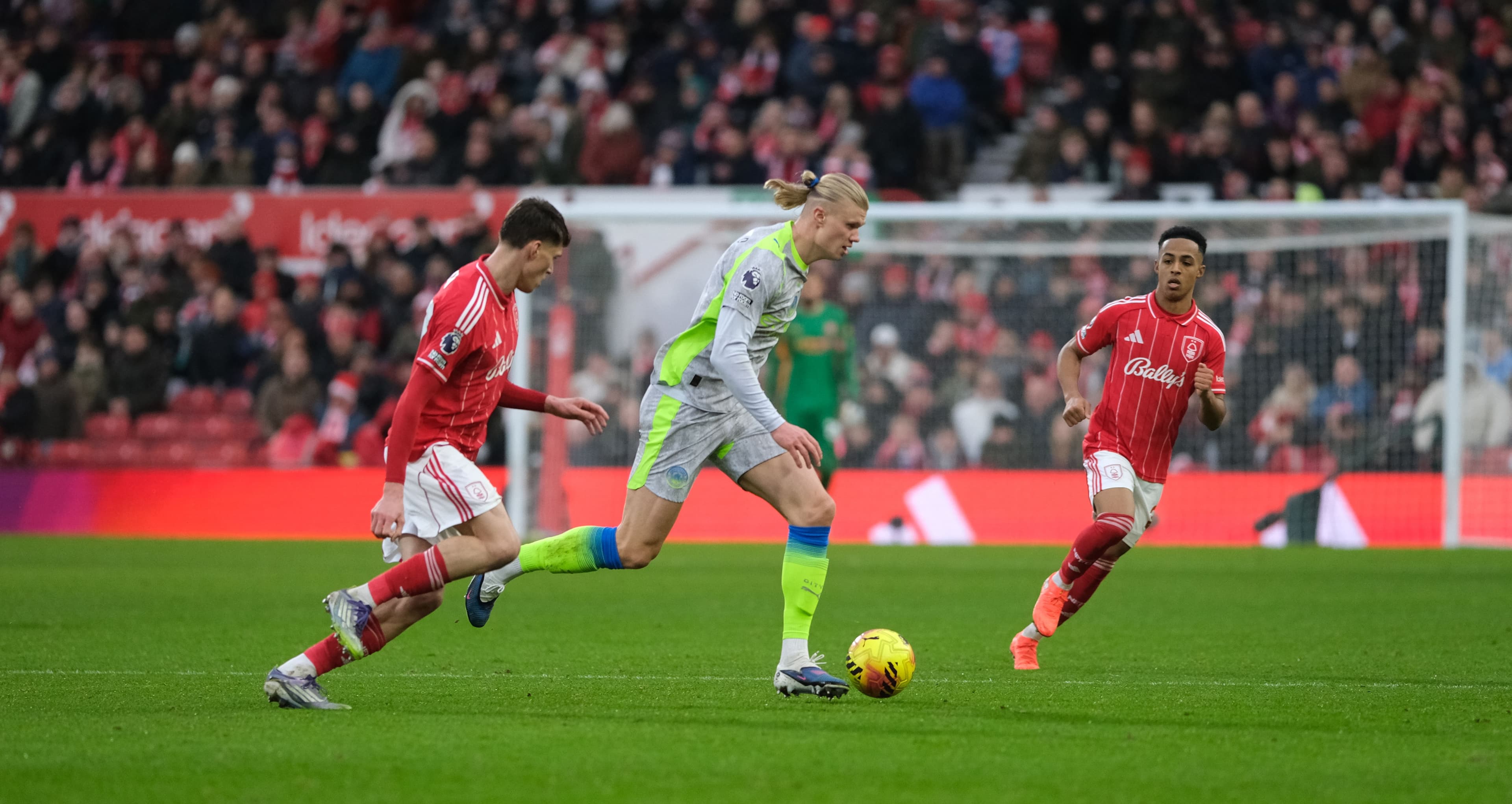
At a recent shareholder meeting, the league’s 20 clubs were informed that executives are assessing structural changes to commercial rights activities. According to reporting from Sky News, initial modelling suggests that centralising up to 60 per cent of perimeter advertising inventory and increasing the number of top-tier partners from seven to ten could unlock significant incremental revenue.
A shift toward US-style commercial models
The proposed structure would mirror approaches commonly used in major US sports leagues, where centralised commercial control maximises collective bargaining power and revenue efficiency.
Currently, the Premier League operates a multi-partner sponsorship model rather than a single title sponsor, a strategy adopted roughly a decade ago. The league’s top-tier commercial partners include Barclays, Microsoft, Electronic Arts and Guinness, alongside licensing agreements with brands such as Topps, Football Manager and Sorare.
Expanding the top-tier partner roster by three additional brands, combined with partial centralisation of pitchside advertising, could result in a projected £750 million annual uplift. If distributed evenly, that would equate to approximately £37.5 million per club per season.
However, sources stress that the presentation was exploratory in nature and that no formal decision has been made to proceed.
Potential club-level impact
For clubs such as Everton, the proposed changes could represent a substantial financial boost. Additional central revenues would strengthen balance sheets, improve squad investment capacity and provide greater protection against relegation risk.
Everton recently reported a £14.7 million increase in turnover to £186.9 million, prior to moving from Goodison Park to their new stadium. Increased matchday revenues combined with potential new central income could accelerate the club’s ambitions to compete for European qualification.
Yet the implications extend beyond individual clubs. Championship sides have long expressed concern over the widening financial gulf between the Premier League and the English Football League. A further £750 million injection into the top flight could intensify that disparity, particularly as negotiations over long-term financial redistribution remain unresolved.
Concerns over sponsorship conflicts
Despite the financial upside, the proposal has already raised internal questions. One club executive reportedly warned that expanding the league’s central sponsorship portfolio could create conflicts with existing club-level commercial agreements.
The Premier League’s current model provides clubs with relative flexibility in securing their own partners. Increased centralisation may require clubs, particularly those with strong global commercial portfolios, to surrender inventory or adjust existing deals.
Balancing collective revenue growth with individual commercial autonomy will likely be central to discussions in the months ahead.
Regulatory context
The shareholder summit also featured a presentation from the Independent Football Regulator. Chairman David Kogan and chief executive Richard Monks outlined plans for the regulator’s inaugural State of the Game report, which is expected to be published in the coming months.
The timing is notable. With long-term domestic and international media rights deals already secured and a ban on front-of-shirt betting sponsorship coming into force at the end of the season, clubs are actively seeking alternative revenue streams.
A centralised perimeter advertising model could represent one of the most significant commercial shifts in the league’s modern history. Whether clubs ultimately align behind the proposal may depend on how effectively the Premier League can balance collective growth with individual commercial interests.
Sources: Sportspro, Sky News, Goodison News