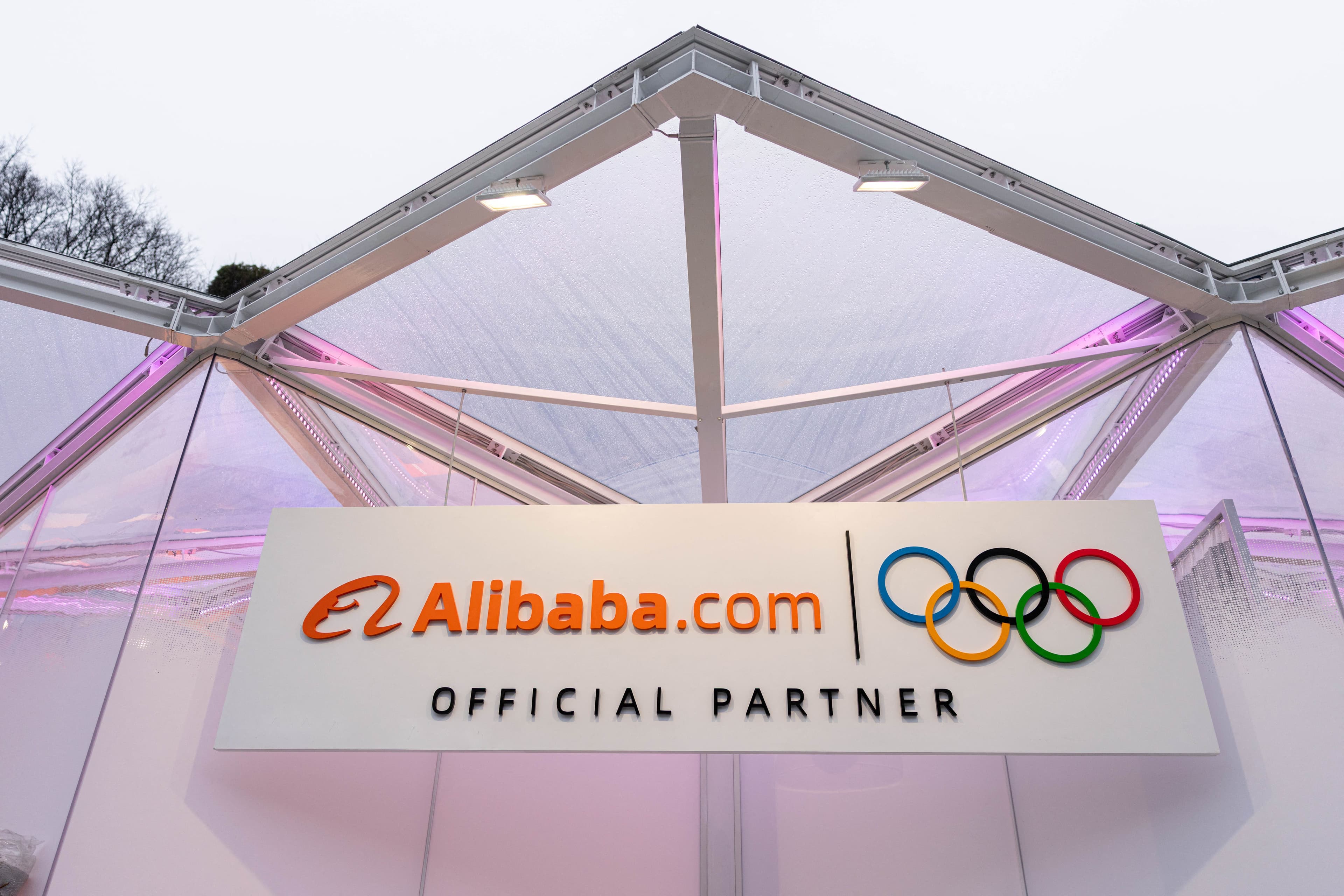
The International Olympic Committee (IOC) has published its 2025 financial results, revealing a notable decline in revenue from its top-tier sponsorship programme. Income from The Olympic Partner (TOP) programme fell to its lowest level since 2020, reflecting both the cyclical nature of the Olympic calendar and structural shifts within the IOC’s commercial ecosystem.
In 2025, TOP revenue totalled US$560 million, down sharply from US$872 million in 2024, when the Paris Olympic Games were staged. Total IOC revenue reached US$649.8 million, while expenditures exceeded income by US$39.6 million, resulting in a deficit for the year.
Financial Snapshot: A Non-Olympic Year Impact
The IOC’s financial performance in 2025 was heavily influenced by the absence of an Olympic Games. While total revenue declined significantly compared to 2024, the organisation remains financially robust.
Key figures for 2025 include:
- TOP programme revenue: US$560 million
- Total IOC revenue: US$649.8 million
- Operating expenditure: US$213 million, up 9 percent year-on-year
- Total assets: US$7 billion, up 14 percent
- Total liabilities: US$2.1 billion, representing 30 percent of the balance sheet
- IOC fund balance: US$4.9 billion
By comparison, 2024 generated US$4.4 billion in revenue and a US$1.13 billion surplus, highlighting the stark contrast between Olympic and non-Olympic years.
TOP Programme at Its Lowest Level in a Decade
The decline in TOP revenue is closely linked to a reduction in the number of global partners. At the end of the Paris 2024 cycle, five major sponsors exited the programme: Atos, Bridgestone, Intel, Panasonic, and Toyota.
While the IOC added TCL Technology and renewed partnerships with AB InBev and Allianz in 2025, the TOP programme now consists of 11 partners, the lowest total since 2015.
This contraction pushed annual TOP revenue to its lowest point since 2020, when the programme generated US$532 million amid the disruption of the Covid-19 pandemic.
How the Olympic Commercial Structure Works
The IOC’s funding model is built on several complementary revenue streams. Broadcast rights remain the single largest source of income, followed by the TOP programme, which represents the highest level of global sponsorship.
Below TOP, each Olympic Games relies on domestic partnership programmes, managed by the local organising committee. These are typically structured across four tiers:
- Premium Partners
- Partners
- Sponsors
- Official Supporters
Together, these partners provide both financial backing and operational support that ensures the delivery of the Games for spectators, athletes, and broadcasters alike.
Inside the Olympic Partner Programme
The TOP programme grants partners exclusive worldwide marketing rights across all Olympic and Paralympic Games. It is designed for multinational brands seeking consistent global exposure over multiple Olympic cycles.
The longest-standing Olympic partner is The Coca-Cola Company, whose association with the Olympic Movement spans nearly a century. In 2019, Coca-Cola entered a joint TOP partnership with China Mengniu, combining their rights through to 2032.
As of 2025, the TOP partner roster includes:
- AB InBev
- Airbnb
- Alibaba
- Allianz
- Coca-Cola & Mengniu
- Deloitte
- Omega
- Procter & Gamble
- Samsung
- TCL Technology
- Visa
Visa, a TOP partner since the mid-1980s, remains one of the programme’s longest-serving brands alongside Coca-Cola.
Rethinking Sponsorship Value and Visibility
IOC President Kirsty Coventry, now in her first full year in office, has acknowledged that Olympic sponsors are increasingly seeking more frequent and consistent touchpoints, rather than engagement centred solely around the Games every two years.
In response, the IOC has established a working group to explore how commercial partnerships and marketing rights can evolve to better match modern brand expectations.
This strategic shift is already visible. While the IOC’s clean venue policy has traditionally kept Olympic venues free from advertising, Paris 2024 marked the first softening of this approach. The trend is set to continue at Los Angeles 2028, where brands will be allowed to purchase naming rights to official competition venues for the first time in Olympic history.
Domestic and Digital Partnerships Continue to Grow
Beyond TOP sponsors, domestic partnerships remain crucial at Games level. For the Milano Cortina 2026 Winter Olympics, domestic partners include Enel, Eni, FS Group, Stellantis, Leonardo, Intesa Sanpaolo, Poste Italiane, and Salomon, contributing both funding and essential services.
At the same time, the IOC has expanded its digital partnership strategy, working with platforms such as Meta, TikTok, YouTube, and Snapchat to extend the Games’ global reach and engage younger audiences through short-form and interactive content.
Looking Ahead
While 2025 represents a challenging year for the TOP sponsorship programme, the broader outlook for Olympic commercial revenue remains positive. Future Games cycles, particularly Los Angeles 2028, are expected to attract new partners, including major technology brands aligned with the host city’s commercial strategy.
Combined with renewed sponsorship formats, increased venue visibility, and continued global broadcast demand, the IOC appears well positioned to adapt its commercial model while preserving the Olympic Movement’s long-term financial stability.
Despite short-term fluctuations, the Olympics remain one of the most powerful and resilient global sports properties, with sponsorship demand likely to rebound as the road to future Games accelerates.
Sources: SportsPro, Olympics, Visa