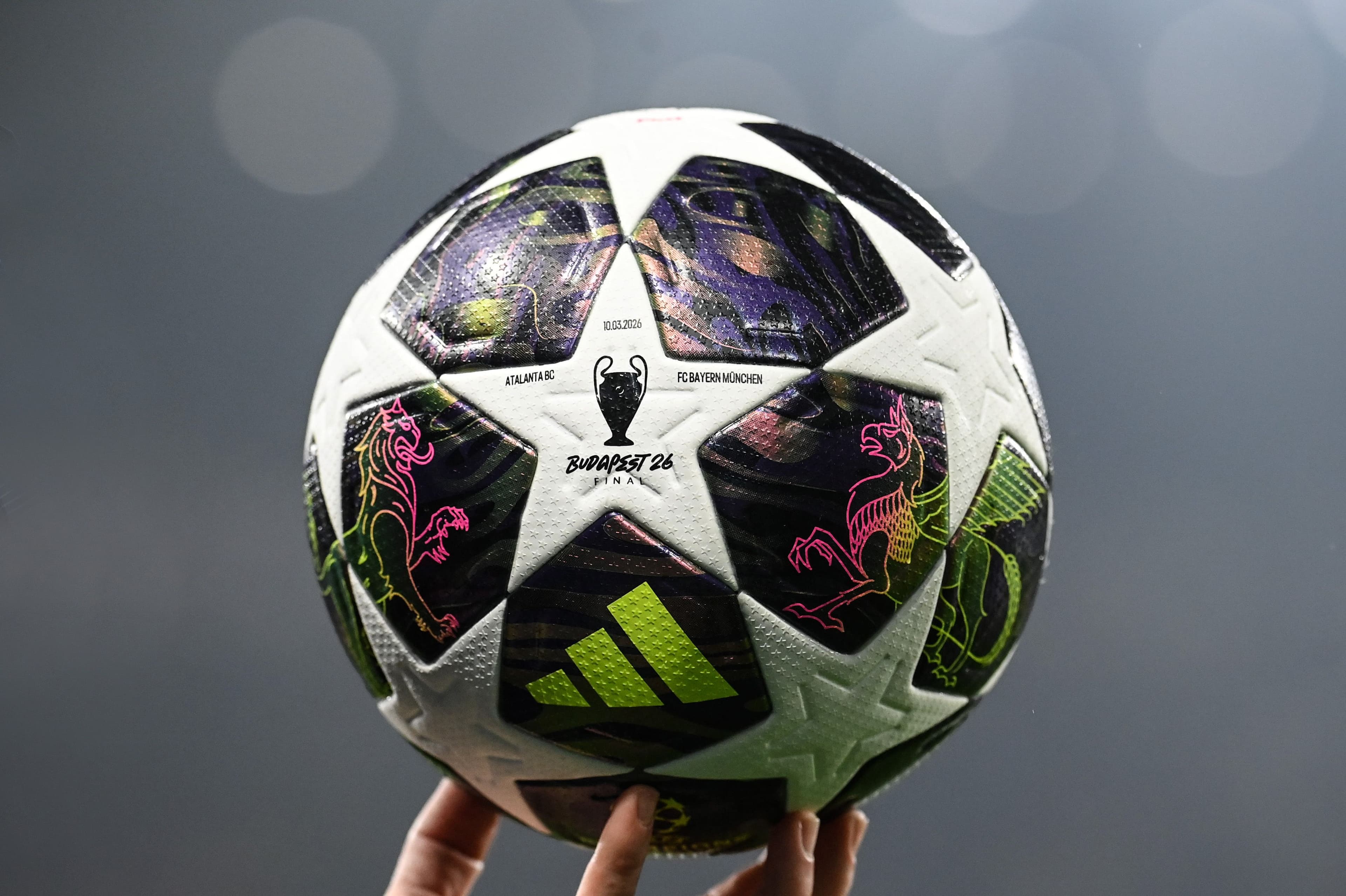
The UEFA Champions League match ball sponsorship is being taken to market for the first time in decades, with Nike and Puma emerging as key challengers to Adidas’ long-standing dominance in one of football’s most iconic commercial categories.
The move signals a broader shift in UEFA’s commercial strategy, as rights holder UC3 and its agency partner Relevent Football Partners look to maximise value and introduce greater competition across sponsorship assets.
A 25-Year Partnership Under Threat
Adidas has supplied the official match balls for the Champions League since 2001, when it took over from Nike. The German sportswear giant’s current agreement runs until the end of the 2026/27 season, meaning a new deal would begin from 2027/28.
However, early market interest from rival brands has prompted UEFA to formally launch a tender process, opening the door for a potential change in supplier for the first time in over two decades.
Both Nike and Puma are understood to be exploring bids, setting up a high-profile battle between three of the world’s biggest sportswear companies.
Expanded Package Could Increase Value
The new agreement is expected to go beyond the Champions League alone. UEFA is reportedly considering a bundled package that would also include the Europa League and Conference League, creating a broader commercial proposition for potential partners.
Currently, Decathlon supplies match balls for those competitions, but its deal is also set to expire in 2027, aligning all three tournaments within the same renewal cycle.
By combining properties, UEFA aims to increase the overall value of the sponsorship and attract stronger bids from global brands.
A Changing Competitive Landscape
The potential shake-up comes amid shifting dynamics in football’s equipment sponsorship market.
Puma recently replaced Nike as the official ball supplier of the Premier League, adding England’s top division to an existing portfolio that includes LaLiga and Serie A.
Adidas, meanwhile, continues to hold major rights across global football, including supplying match balls for the FIFA World Cup and the UEFA European Championship, and is set to return as the Bundesliga’s ball supplier from next season.
With all three brands actively competing across top-tier properties, the Champions League tender represents one of the most strategically important opportunities in the category.
Part of a Wider UEFA Commercial Overhaul
The decision to open the match ball rights to competition is part of a broader transformation led by UC3 and Relevent Football Partners, which have taken over global commercial rights for UEFA’s men’s club competitions from 2027.
The new cycle introduces six-year sponsorship contracts (2027–2033), replacing the previous three-year structure, and reflects a more aggressive, market-driven approach to rights sales.
UEFA has already demonstrated its willingness to disrupt long-standing partnerships. AB InBev is currently in exclusive talks to replace Heineken as the competitions’ official beer sponsor in a deal reportedly worth €200 million per year, significantly higher than the current agreement.
At the same time, other legacy partners such as PepsiCo are expected to renew, highlighting a selective approach to change rather than a complete reset.
A Defining Commercial Battle Ahead
The upcoming tender for the Champions League match ball rights represents more than a routine renewal. It is a test of UEFA’s new commercial strategy and its ability to unlock additional value from long-held sponsorship categories.
For Adidas, it is a chance to defend a partnership that has become synonymous with the Champions League brand. For Nike and Puma, it is a rare opportunity to secure one of the most visible assets in global football.
As UEFA reshapes its commercial ecosystem for the next cycle, the outcome of this process could set the tone for how legacy partnerships are valued in an increasingly competitive market.
Sources: Sportspro